
About us
News & Publications
6th January 2026
Winter Safety: Preventing Frozen Pipes and Staying Safe in Slippery Conditions
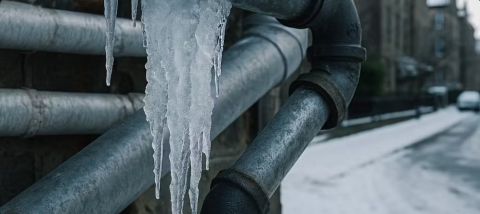
Each winter, temperatures across the UK often fall below freezing, creating conditions that can lead to frozen pipes, slippery surfaces, and other hazards for residents. These risks return year after year, making seasonal preparation essential for every household. Cold spells commonly bring widespread frost and ice, increasing the likelihood of accidents and water-related damage.
Why Frozen Pipes Are a Recurring Winter Threat
When temperatures drop below 0°C, water inside pipes can freeze and expand. This pressure can cause:
- Reduced water flow
- Cracks in pipework
- Full pipe bursts that may lead to flooding
Preventing, Identifying & Responding to Frozen Pipes
How to Prevent Frozen Pipes
- Insulate exposed pipes to help maintain a stable temperature during cold weather.
- Keep indoor heating on at a steady, low level—even overnight or when away.
- Have your boiler serviced every year to ensure it runs efficiently during winter.
- Test your main stopcock regularly so you can turn off the water quickly if needed.
- Protect outdoor taps with insulated tap covers, as these are especially vulnerable.
Signs a Pipe May Be Freezing
- Little or no water coming from taps
- Frost or condensation on the pipe
- Unusual noises, such as gurgling or banging
- Slow drainage
If You Suspect a Pipe Is Freezing
- Turn off the water supply
- Gently warm the pipe using warm towels or a hairdryer on a low setting
- Never use boiling water
If a Pipe Bursts
- Turn off the main stopcock immediately
- Switch off your heating systems
- Open taps to drain any remaining water
- Move belongings and valuables away from the affected area
- Contact a qualified plumber for repairs
Staying Safe on Slippery Walkways, Stairs & Communal Areas
Winter weather doesn’t only affect plumbing—snow and ice also create slippery surfaces, particularly on shared footpaths, entrances, and stairways. Weather agencies regularly warn of increased slip risks during icy conditions, as frost can develop quickly on outdoor surfaces.
What Residents Should Be Aware Of
- Communal walkways, pavements, and stairs can become icy even when roads appear clear.
- Early morning and late evening are peak times for hidden (black) ice.
- Shaded areas may remain icy throughout the day.
Safety Tips for Residents
- Walk slowly and carefully—take smaller steps on icy ground.
- Use handrails on stairs and ramps whenever possible.
- Wear footwear with good grip.
- Avoid shortcuts across grass or ungritted surfaces.
- Keep both hands as free as possible to maintain balance.
Report Slippery Areas
If you notice dangerous icy patches, slippery steps, or unsafe communal paths, please report them to us by calling 020 8607 7777 immediately. We can:
- Arrange gritting or salt spreading
- Clear snow or ice where needed
- Inspect areas for ongoing hazards
Your safety is our priority, and timely reporting helps us respond quickly to keep communal spaces safe for everyone.
A Winter Routine Worth Repeating Each Year
Winter conditions—frost, ice, and sub-zero temperatures—are a predictable annual challenge in the UK. By preparing early, insulating your home, staying alert in icy conditions, and reporting hazards promptly, we can ensure that our community remains safe and warm throughout the colder months.
Tagged in: