Your home
Net zero & energy efficiency
Creating warmer, more energy-efficient homes and greener communities
At Karibu Community Homes, we want our homes and communities to be safe, comfortable, sustainable and ready for the future.
We provide homes and services to more than 5,000 residents across West London and surrounding areas, with over 1,870 homes across 14 local authority areas. Looking after these homes for both current and future residents is one of our most important responsibilities.
Over the next 30 years, we expect to invest more than £79 million in maintaining and improving our homes. Energy efficiency and reducing our environmental impact will be an important part of this investment.
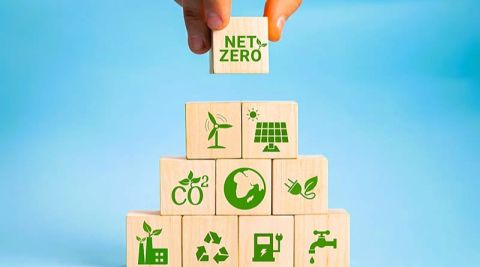
Our ambition is to work towards net zero greenhouse gas emissions by 2050 and improve the energy efficiency of our homes, with the aim of bringing them to at least Energy Performance Certificate (EPC) Band C by 2030.
For us, this is not simply about meeting environmental targets. It is about creating better homes, helping residents manage energy costs and protecting our communities and the environment for future generations.
Our approach
We are developing our understanding of the carbon emissions associated with our homes and operations. This will help us identify where improvements can have the greatest impact and shape our future plans and priorities.
Our approach focuses on four key areas:
- Improving the energy efficiency of our homes
- Reducing carbon emissions
- Protecting and improving the environment
- Working with residents and communities
We know technology, regulations and the needs of our residents will continue to change. We will therefore keep our approach under review and adapt our plans where necessary.
1. Improving the energy efficiency of our homes
Making homes more energy efficient can help them stay warmer, use less energy and become more comfortable to live in.
As we invest in our existing homes, we will consider improvements such as:
- upgrading insulation
- improving ventilation
- installing more efficient heating systems
- introducing appropriate energy-saving technologies
- taking a fabric-first approach, improving the building itself before considering other technologies
Our aim is to bring our homes to at least EPC Band C by 2030, where this is appropriate and achievable.
We also recognise the pressures that energy costs can place on household finances. We want to help residents use energy efficiently and signpost people to appropriate advice and support where available.
Improving the fabric, heating and ventilation of our homes can also support our wider work to provide healthy homes and help manage issues such as condensation, damp and mould.
New homes
As we grow and provide more homes, energy efficiency will also be considered when we build or purchase new properties.
We will look for homes that meet appropriate standards for thermal efficiency and consider measures such as:
- high-quality insulation
- sustainable and efficient heating
- solar energy where suitable
- reduced energy consumption
- modern, energy-efficient building materials and methods
Our intention is that new homes achieve at least EPC Band C, while meeting any higher standards or requirements that apply at the time.
2. Reducing carbon emissions
Our journey towards net zero isn't only about our homes. We also want to reduce the environmental impact of the way we work and the services delivered on our behalf.
We will look for practical opportunities to reduce carbon emissions, including:
- supporting the use of electric vehicles
- considering electric vehicle charging points at our homes where practical and appropriate
- encouraging our contractors and delivery partners to move towards lower-emission and electric vehicles
- considering the energy used by new homes throughout their life
- looking at how construction methods and materials can help reduce environmental impact
Following the creation of Karibu Community Homes, we have already brought the operations of the two previous organisations together into one central office in Kew, helping us operate as one organisation.
3. Protecting our environment
Sustainability is also about looking after the places and neighbourhoods where people live.
We will work with our contractors and partners to find ways to reduce waste and make better use of resources. This includes:
- reducing the amount of waste sent to landfill
- increasing recycling where possible
- using recycled and more sustainable materials where appropriate
- considering local suppliers and supply chains to help reduce unnecessary travel and associated emissions
- exploring new technologies and approaches that could make our homes more efficient
- considering water-saving products through our repairs and improvement programmes
- maintaining and improving green spaces around our homes and neighbourhoods
Where appropriate, we will also explore and pilot new approaches before deciding whether they could benefit more of our homes and residents.
4. Working with residents and communities
Residents will have an important role in helping us shape a more sustainable future.
We want to make sure that improvements work for the people living in our homes and reflect the needs of different households and communities.
We will:
- listen to residents' experiences and views
- involve residents when considering appropriate sustainability solutions
- communicate clearly about planned energy-efficiency improvements
- provide practical information and guidance about saving energy
- help residents understand how new technology or improvements in their homes work
- signpost residents to relevant support where available
- be open about our progress and the challenges we face
By working together, we can make improvements that benefit individual homes as well as our wider neighbourhoods and communities.
How will we fund these improvements?
Improving the energy efficiency of our homes will require significant long-term investment.
We will carefully consider how we fund this work so that we can make the best use of the resources available to us. This could include our own investment alongside government grants, external funding opportunities and partnerships with contractors and other organisations.
Our priority will be to use our resources responsibly and identify opportunities that can deliver the greatest benefits for residents and their homes.
Our journey to net zero
Achieving net zero is a long-term journey and we know it will not happen overnight.
The social housing sector is facing significant challenges, including rising costs, changing regulatory requirements, shortages of skilled workers and continued demand for more affordable homes. We will need to balance these pressures while continuing to invest in existing homes and provide essential services.
Our focus is to make steady, meaningful progress by:
Understanding our homes and emissions
Building a clearer picture of the condition and energy performance of our homes and where carbon emissions can be reduced.
Investing in existing homes
Prioritising improvements that make homes warmer, healthier and more energy efficient.
Building for the future
Making sustainability and energy efficiency an important consideration when providing new homes.
Working with residents
Listening to residents and helping households get the most from energy-efficiency improvements.
Reducing our environmental impact
Looking at our own operations as well as the contractors, materials and services involved in looking after our homes.
Monitoring our progress
Reviewing our approach as technology, funding, regulations and residents' needs develop.
What does this mean for you?
As a Karibu resident, our plans are ultimately about improving the quality and sustainability of your home and community.
Over time, you may see improvements to homes and neighbourhoods including better insulation, heating and ventilation, energy-saving technology and improvements to communal and green spaces.
Not every home will require the same work, and improvements will take place over a number of years. Where work is planned for your home or building, we will communicate with you and explain what is happening, why the work is needed and what you need to do.
There may also be opportunities for residents to share their views and help us shape our future plans.
Looking ahead
Karibu Community Homes was created to improve people's lives and create possibilities, particularly for communities whose housing and support needs have historically not been met. That social purpose remains at the heart of what we do.
Creating more energy-efficient homes and reducing our environmental impact supports that purpose.
There is a lot of work ahead, but our direction is clear: we want to provide good-quality, energy-efficient homes, support sustainable communities and play our part in protecting the environment for current and future generations.
Together, we can build a greener future
Everyone can play a part. Small changes at home can help reduce energy and water use, while our longer-term investment will focus on making our homes more efficient.
Look out for further updates as we develop our plans and share our progress towards more energy-efficient homes and a net zero future.